22 Jul 2026
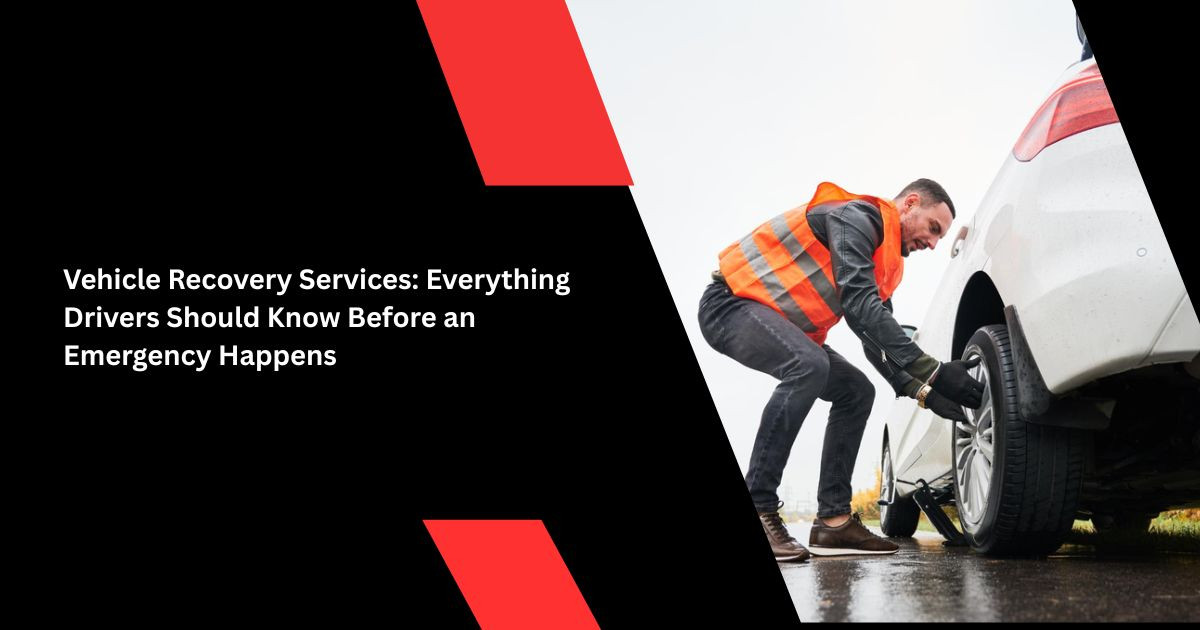
Vehicle Recovery Services: Everything Drivers Should Know Before an Emergency Happens
No driver plans for a breakdown or an accident, yet unexpected situations can happen at any time. A flat battery before work, an overheated engine on a long drive, or a collision on a busy highway can leave your vehicle stranded and unsafe to drive.
In these moments, vehicle recovery services provide more than just transportation—they help move your vehicle safely, reduce roadside risks, and get you back on track as quickly as possible.
Whether your car has suffered a mechanical failure, been involved in an accident, or simply refuses to start, professional recovery operators have the equipment and expertise to recover it without causing additional damage. Recovery services differ from standard towing because they often involve safely extracting or stabilizing a vehicle before transporting it.
This guide explains how vehicle recovery works, when you need it, and how to choose the right service.
What Are Vehicle Recovery Services?
Vehicle recovery services are professional roadside solutions designed to assist drivers whose vehicles cannot continue their journey safely.
Unlike a simple tow, recovery may involve:
- Recovering accident-damaged vehicles
- Moving broken-down vehicles
- Winching vehicles out of difficult locations
- Transporting non-drivable cars
- Recovering vehicles stuck off-road
- Safe loading and transportation
The objective is always the same: move both the vehicle and its occupants to safety while preventing further damage.
Common Reasons Drivers Need Vehicle Recovery
Vehicle recovery is required in many everyday situations.
Mechanical Breakdown
Mechanical failures remain one of the most common reasons for recovery.
Examples include:
- Engine failure
- Transmission problems
- Electrical faults
- Cooling system failure
- Suspension damage
If the vehicle cannot be repaired safely on-site, recovery becomes necessary.
Road Traffic Accidents
Even minor collisions can leave a vehicle unsafe to drive. Recovery operators safely transport damaged vehicles to:
- Repair workshops
- Insurance-approved garages
- Your preferred destination
Flat Battery
Sometimes a battery can simply be jump-started. However, if electrical faults prevent the vehicle from restarting, recovery may be required.
Flat Tyres or Blowouts
A single puncture may be fixed roadside. Multiple damaged tyres or wheel damage usually require professional recovery.
Running Out of Fuel
Fuel delivery may solve the problem. If additional mechanical issues arise after misfuelling or engine damage, recovery may be the safest option.
Vehicles Stuck Off-Road
Cars occasionally become stuck in:
- Sand
- Mud
- Ditches
- Construction areas
- Uneven terrain
Specialized winching equipment is often needed to recover these vehicles safely.
Vehicle Recovery vs Roadside Assistance
Many people confuse these two services. Although they're related, they serve different purposes.
|
Roadside Assistance |
Vehicle Recovery |
|
Attempts to repair the vehicle on-site |
Transports the vehicle when it cannot be driven |
|
Battery jump-starts |
Accident recovery |
|
Tyre replacement |
Long-distance towing |
|
Fuel delivery |
Off-road recovery |
|
Minor mechanical repairs |
Breakdown transportation |
Roadside assistance aims to get you moving again immediately. Vehicle recovery becomes necessary when repairs cannot be completed safely at the scene.
What Happens During a Vehicle Recovery?
Understanding the process helps reduce stress during an emergency.
Step 1: Initial Call
The recovery company gathers information about:
- Your location
- Vehicle type
- Nature of the breakdown
- Safety concerns
- Accessibility
Accurate information allows the correct recovery vehicle to be dispatched.
Step 2: Vehicle Assessment
Upon arrival, the technician evaluates:
- Vehicle condition
- Damage severity
- Recovery method
- Road conditions
- Safety risks
Every recovery is planned to minimise additional damage.
Step 3: Safe Loading
Depending on the situation, operators may use:
- Flatbed trucks
- Wheel-lift recovery vehicles
- Hydraulic winches
- Recovery skates
- Dollies
The equipment chosen depends on your vehicle's condition and location.
Step 4: Transportation
Once secured, the vehicle is transported safely to:
- A repair workshop
- Your home
- A dealership
- An insurance facility
- Another destination of your choice
How Long Does Vehicle Recovery Take?
Response times depend on several factors.
These include:
- Your location
- Traffic conditions
- Weather
- Vehicle accessibility
- Time of day
- Recovery complexity
Urban locations generally experience faster response times than remote areas.
Safety Tips While Waiting for Recovery
Your safety should always come before your vehicle. If your vehicle breaks down:
- Move to a safe location if possible.
- Turn on your hazard lights immediately.
- Exit the vehicle if remaining inside is unsafe due to fast-moving traffic.
- Keep passengers away from moving vehicles.
- Wear a high-visibility vest if available.
- Stay visible and avoid standing between your vehicle and passing traffic.
On high-speed roads, it's generally safer to move away from the vehicle and wait in a protected area whenever possible.
What Equipment Do Recovery Vehicles Use?
Professional recovery operators use specialised equipment to handle different situations safely.
Common equipment includes:
- Flatbed recovery trucks
- Hydraulic winches
- Tow dollies
- Wheel lifts
- Soft recovery straps
- Heavy-duty lifting equipment
- Wheel skates
Using the correct equipment helps minimise additional damage during recovery.
How Much Do Vehicle Recovery Services Cost?
The cost of recovery depends on several factors.
Pricing is influenced by:
- Distance travelled
- Vehicle size
- Type of recovery
- Time of day
- Emergency call-outs
- Accident recovery complexity
- Off-road extraction requirements
Simple roadside transportation generally costs less than specialised recovery involving winching or accident recovery. Before authorising any work, ask for a clear quotation explaining what services are included.
How to Choose the Right Vehicle Recovery Service
Not every provider offers the same level of expertise. When choosing a recovery company, consider:
24/7 Availability
Emergencies don't follow business hours.
Modern Recovery Equipment
Different vehicles require different recovery methods.
Experienced Operators
Proper training reduces the risk of further vehicle damage.
Transparent Pricing
Choose companies that clearly explain costs before beginning recovery.
Positive Customer Reviews
Consistent customer feedback often reflects service quality and reliability.
Preventing Future Breakdowns
Although some emergencies are unavoidable, regular maintenance reduces the likelihood of needing recovery.
Helpful habits include:
- Check tyre pressure regularly.
- Monitor engine oil and coolant levels.
- Replace ageing batteries.
- Service your vehicle according to the manufacturer's schedule.
- Watch for warning lights.
- Address unusual noises early.
Preventive maintenance often costs far less than emergency repairs.
Why Professional Recovery Is Worth It
Trying to tow or recover a vehicle without proper equipment can increase the risk of damage and create additional safety hazards.
Professional recovery services provide:
- Safe vehicle handling
- Appropriate recovery equipment
- Trained operators
- Reduced risk of further damage
- Secure transportation
- Peace of mind during stressful situations
Whether you've experienced a breakdown, accident, or unexpected roadside emergency, professional recovery helps ensure your vehicle reaches its destination safely.
Conclusion
Reliable vehicle recovery services are an essential part of modern driving. From mechanical failures and accident recovery to off-road extractions and long-distance transport, professional recovery teams provide the expertise and equipment needed to handle unexpected situations safely.
Understanding the difference between roadside assistance and vehicle recovery, knowing what to expect during the process, and following basic roadside safety practices can make a stressful experience much easier to manage.
Most importantly, choosing an experienced recovery provider ensures your vehicle is handled professionally, helping protect both your safety and your investment when you need assistance the most.
FAQs
1. What are vehicle recovery services?
Vehicle recovery services transport vehicles that cannot be driven due to breakdowns, accidents, mechanical failures, or other roadside emergencies.
2. What is the difference between towing and vehicle recovery?
Vehicle recovery often includes safely extracting or stabilizing a damaged or stranded vehicle before transporting it, while towing usually refers to moving a vehicle from one location to another.
3. When should I call a vehicle recovery service?
You should call a recovery service if your vehicle is unsafe to drive because of an accident, engine failure, transmission issues, or other serious mechanical problems.
4. Can recovery services help after an accident?
Yes. Recovery companies safely transport accident-damaged vehicles to workshops, dealerships, or insurance-approved repair centers.
5. How long does vehicle recovery usually take?
Response times vary depending on your location, traffic conditions, weather, and the complexity of the recovery.
6. Can recovery services transport luxury or sports cars?
Yes. Professional recovery providers use flatbed trucks and specialized equipment designed for low-clearance and high-value vehicles.
7. What should I do while waiting for vehicle recovery?
Turn on your hazard lights, move to a safe location if possible, keep passengers away from traffic, and follow the recovery company's instructions.
8. How much do vehicle recovery services cost?
The cost depends on factors such as vehicle type, recovery distance, time of day, and the complexity of the recovery.
Key Takeaways
- Vehicle recovery services safely transport vehicles that cannot continue their journey.
- Recovery differs from roadside assistance, which focuses on fixing minor issues at the scene.
- Common recovery situations include breakdowns, accidents, flat batteries, tyre damage, and off-road recovery.
- Professional recovery operators use specialised equipment such as flatbeds, winches, and wheel lifts.
- Roadside safety should always be your first priority while waiting for assistance.
- Recovery costs vary depending on distance, vehicle type, and the complexity of the recovery.
- Choosing an experienced, well-equipped recovery provider helps prevent additional vehicle damage.
- Regular vehicle maintenance can reduce the likelihood of needing emergency recovery services.