20 Jul 2026
Cheapest PPF for Car: How to Save Money Without Sacrificing Paint Protection
When searching online for the cheapest PPF for car, it's natural to focus on price. After all, Paint Protection Film (PPF) is an investment, and every car owner wants the best value for their money.
However, choosing the lowest-priced option isn't always the smartest decision.
A poorly installed or low-quality PPF may start peeling, yellowing, bubbling, or lifting within a short time. In some cases, it may even require complete removal and replacement, costing far more than investing in a quality installation from the beginning.
The good news is that finding affordable PPF doesn't mean compromising on quality. By understanding what influences pricing and what to look for in a professional installer, you can protect your vehicle while staying within your budget.
This guide explains everything you need to know before choosing a Paint Protection Film service.
What Is Paint Protection Film?
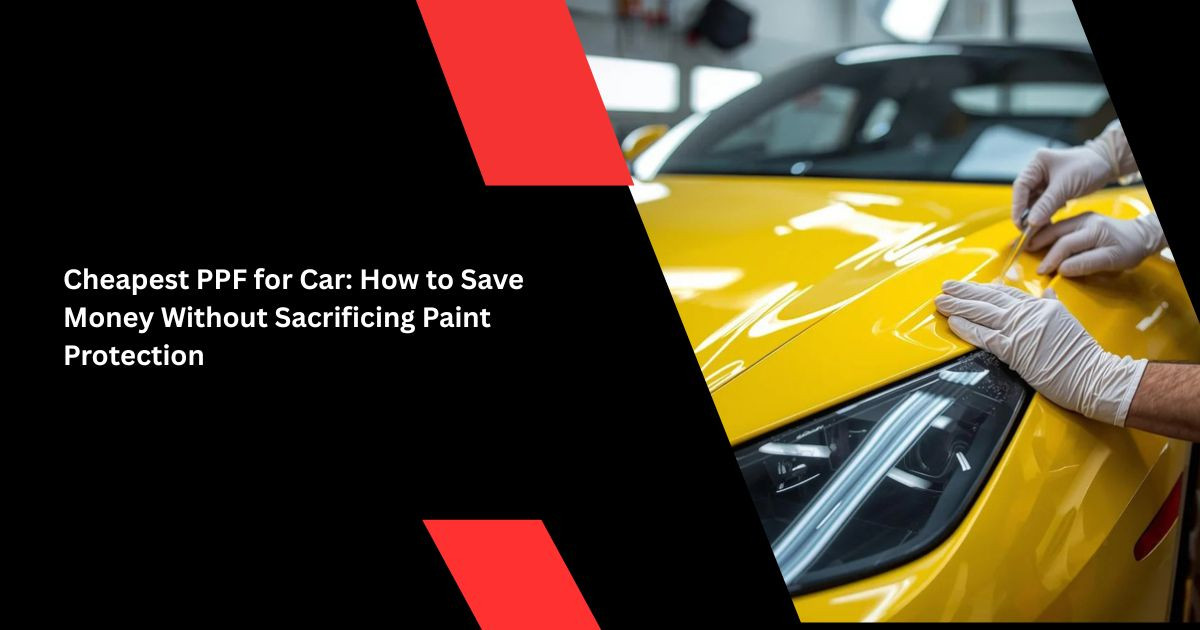
Paint Protection Film, commonly known as PPF, is a transparent thermoplastic polyurethane (TPU) film applied to a vehicle's painted surfaces.
It creates an almost invisible barrier that helps protect the paint from everyday hazards such as:
- Stone chips
- Road debris
- Minor scratches
- Desert sand
- Bird droppings
- Tree sap
- UV rays
- Insect stains
Many premium PPF products also feature self-healing technology, allowing light surface scratches to become less noticeable when exposed to heat.
Unlike waxes or sealants, PPF provides physical protection that can help preserve your vehicle's factory paint for years.
Why Do PPF Prices Vary So Much?
If you've requested multiple quotations, you've probably noticed that prices can vary significantly.
That's because several important factors influence the overall cost.
1. Film Quality
Not all Paint Protection Films are manufactured to the same standard.
Premium films generally offer:
- Better optical clarity
- Self-healing technology
- UV resistance
- Higher durability
- Better stain resistance
- Longer warranties
Lower-cost films may initially look similar but often have a shorter lifespan and may lose their appearance more quickly.
2. Coverage Area
The amount of your vehicle being protected directly affects the price. Common options include:
Partial Front Package
Usually protects:
- Front bumper
- Bonnet
- Side mirrors
- Headlights
- Front fenders
This is often the most budget-friendly option.
Full Front Package
Provides more comprehensive protection for high-impact areas.
Full Body PPF
Covers nearly every painted panel and offers maximum protection but comes at a higher cost.
Choosing only the areas most vulnerable to damage is one of the easiest ways to reduce costs without sacrificing essential protection.
3. Vehicle Size
Larger vehicles require:
- More film
- More installation time
- Greater precision
As a result, SUVs, luxury sedans, and pickup trucks generally cost more than compact cars.
4. Installation Quality
Professional installation requires:
- Surface decontamination
- Paint preparation
- Precision cutting
- Bubble-free application
- Edge wrapping
- Dust-controlled working conditions
Highly skilled technicians spend several hours ensuring every panel is correctly installed.
Poor installation often leads to:
- Peeling edges
- Air bubbles
- Dust contamination
- Visible seams
- Uneven alignment
Paying slightly more for experienced workmanship often prevents expensive reinstallation later.
Is the Cheapest PPF Always a Good Deal?
Not necessarily. While budget-friendly options can sometimes provide reasonable protection, extremely low prices should encourage you to ask more questions.
Some low-cost installations may involve:
- Lower-grade films
- Minimal surface preparation
- Inexperienced installers
- No manufacturer warranty
- Limited after-sales support
Over time, this may result in:
- Yellowing
- Peeling
- Bubbling
- Reduced clarity
- Premature replacement
Instead of looking only at today's price, consider the long-term value of your investment.
How to Save Money Without Choosing Low-Quality PPF
The goal isn't simply finding the cheapest service. It's finding the best value. Here are several practical ways to reduce costs while still receiving quality protection.
Choose Partial Coverage
If your budget is limited, protect the areas most likely to suffer damage.
These usually include:
- Front bumper
- Bonnet
- Headlights
- Side mirrors
- Front fenders
This approach protects the highest-impact areas while keeping costs manageable.
Prioritize Professional Installation
A premium film installed poorly won't perform as intended. Always choose experienced installers who specialize in Paint Protection Film rather than selecting a workshop based solely on price.
Ask About Warranty
A reputable installer should clearly explain:
- Product warranty
- Installation warranty
- Coverage period
- Warranty conditions
Warranty support provides additional confidence in the quality of both the film and the workmanship.
Compare Overall Value
Instead of asking,
"Which installer is the cheapest?"
Ask,
- What brand of PPF do they use?
- Does it include self-healing technology?
- Is the installation computer-cut?
- How experienced are the technicians?
- What warranty is included?
- Are previous customer reviews positive?
These questions often reveal much more than the quotation alone.
Features Worth Paying For
When comparing different Paint Protection Films, some features provide genuine long-term value.
Self-Healing Surface
Light scratches gradually disappear with heat.
UV Protection
Helps reduce paint fading caused by sunlight.
Stain Resistance
Protects against bird droppings, insects, and tree sap.
Optical Clarity
Maintains your vehicle's original colour and gloss.
Hydrophobic Surface
Makes washing easier by helping water and dirt slide off more effectively.
These features often justify paying slightly more because they extend the lifespan of the protection.
Common Mistakes Buyers Make
Many people unintentionally spend more by making decisions based only on price. Avoid these common mistakes.
Choosing the Lowest Quote
Extremely low prices sometimes indicate lower-quality materials or rushed installations.
Ignoring Customer Reviews
Previous customer experiences often reveal the true quality of a workshop.
Not Asking About Film Brand
Premium Paint Protection Films generally perform better and last longer than unknown alternatives.
Skipping Warranty Information
Always understand what happens if the film begins lifting, peeling, or discoloring.
Delaying Installation
Applying PPF shortly after purchasing a new vehicle helps preserve the original factory paint before damage occurs.
Is PPF Worth It for Older Cars?
Absolutely.
Although many owners install PPF on brand-new vehicles, older cars can also benefit.
PPF helps:
- Prevent additional paint damage
- Preserve restored paintwork
- Protect recently repainted panels
- Maintain resale value
- Reduce future repair costs
If your paint is already in good condition, or has recently been corrected, PPF can help keep it looking that way for years.
How Long Does Quality PPF Last?
The lifespan depends on several factors, including:
- Film quality
- Installation quality
- Climate
- Driving conditions
- Maintenance
With proper care, high-quality Paint Protection Film can provide reliable protection for many years while maintaining excellent clarity and performance.
Regular washing and following the installer's maintenance recommendations help maximize its lifespan.
Why Choosing the Right Workshop Matters
Even the best PPF won't deliver long-term protection if it's installed incorrectly.
A professional workshop offers:
- Skilled technicians
- Precision installation
- High-quality materials
- Proper surface preparation
- Clean installation facilities
- Reliable after-sales support
A quality installation not only improves appearance but also ensures the film performs as intended throughout its lifespan.
Conclusion
Searching for the cheapest PPF for car doesn't have to mean settling for poor quality.
The best approach is to focus on value rather than simply the lowest price. High-quality Paint Protection Film, installed by experienced professionals, offers long-term protection against stone chips, scratches, UV rays, and everyday road hazards while helping preserve your vehicle's appearance and resale value.
If you're working within a budget, consider partial coverage, compare warranties, ask about the film brand, and choose an installer with a strong reputation. A slightly higher upfront investment can often save you money by reducing future repairs, repainting, or premature film replacement.
In the long run, the right PPF isn't necessarily the cheapest, it's the one that delivers reliable protection, lasting performance, and peace of mind every time you drive.
FAQs
1. What is the cheapest way to protect my car's paint?
Choosing partial Paint Protection Film coverage for high-impact areas like the front bumper and bonnet is often the most affordable way to protect your vehicle while staying within budget.
2. Is the cheapest PPF for car worth buying?
It depends on the film quality and installation. Very low-cost PPF may not offer the same durability, clarity, or warranty as premium options.
3. Why do PPF prices vary so much?
Prices vary based on the film brand, vehicle size, coverage area, installation quality, and warranty.
4. Can cheap Paint Protection Film damage my car?
Low-quality films or poor installation may lead to bubbling, peeling, yellowing, or adhesive residue over time.
5. Is partial PPF a good option?
Yes. Protecting the front bumper, bonnet, mirrors, and fenders offers excellent value because these areas receive the most road impact.
6. Does expensive PPF last longer?
Premium Paint Protection Film generally provides better durability, self-healing properties, and longer warranties.
7. Can PPF be removed later?
Yes. Professionally installed PPF can usually be removed without damaging the original factory paint.
8. How do I choose affordable but reliable PPF?
Compare film quality, installer experience, warranty, customer reviews, and overall value rather than choosing the lowest price alone.
Key Takeaways
- The cheapest PPF for car isn't always the best long-term value.
- PPF pricing depends on film quality, coverage area, vehicle size, and installation expertise.
- Partial front coverage is a cost-effective option for protecting high-impact areas.
- Premium films offer benefits such as self-healing technology, UV resistance, and better durability.
- Professional installation is essential for preventing bubbles, peeling, and premature failure.
- Always compare warranties, customer reviews, and film brands before making a decision.
- Quality Paint Protection Film helps reduce future paint repair costs and preserves resale value.
- Choosing value over the lowest price often results in better protection and greater long-term savings.