18 Jul 2026
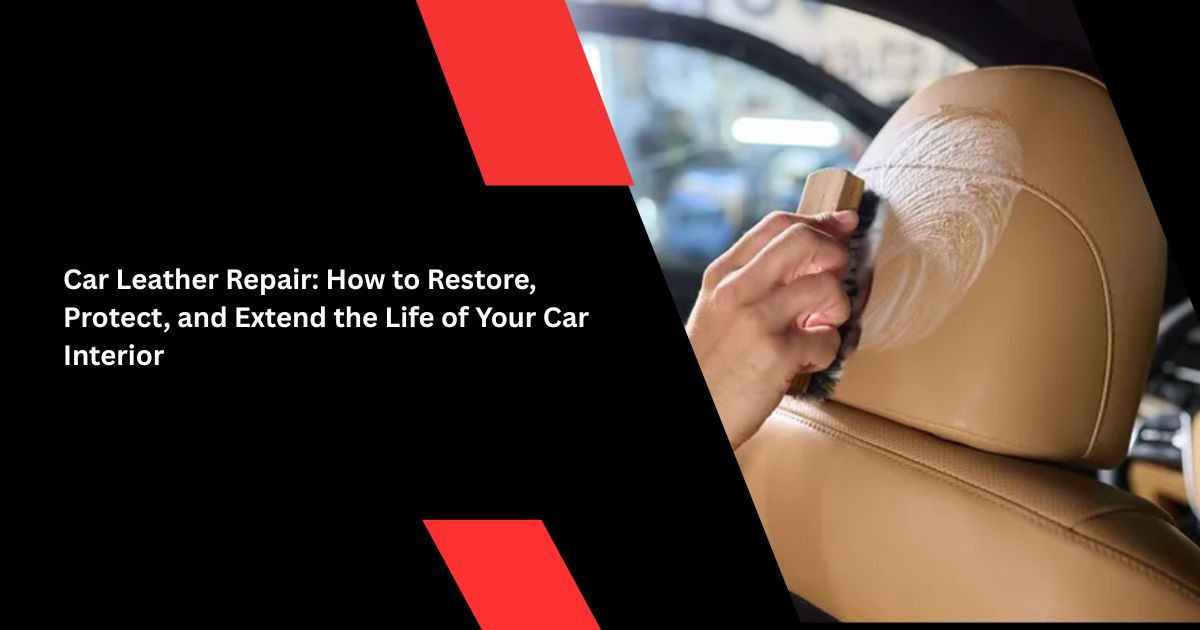
Car Leather Repair: How to Restore, Protect, and Extend the Life of Your Car Interior
Your car's interior is where you spend most of your time, yet it's often exposed to daily wear that slowly takes its toll.
Sliding in and out of the driver's seat, prolonged exposure to sunlight, accidental spills, and everyday use can gradually leave leather seats looking worn, faded, cracked, or stained.
Fortunately, not every damaged leather seat needs to be replaced.
Professional car leather repair can restore the appearance of your interior while helping extend the life of your original upholstery. When combined with a high-quality leather coating, repairs can also be protected against future stains, UV damage, and dye transfer. Al Emad Auto Workshop's leather coating service is designed to safeguard leather seats while preserving their natural matte appearance and making routine cleaning easier.
Whether your vehicle is brand new or several years old, understanding how leather repair works can help you maintain both comfort and resale value.
Why Leather Seats Get Damaged
Even premium automotive leather experiences wear over time. Some of the most common causes include:
- Daily entry and exit
- UV exposure
- Heat
- Dirt and body oils
- Food and drink spills
- Friction from clothing
- Sharp objects
- Improper cleaning products
Driver seats typically show wear first because they experience the highest level of daily use. Without proper maintenance, minor imperfections can gradually become more noticeable.
Common Types of Leather Damage
Different types of damage require different repair methods.
Surface Scratches
Often caused by keys, bags, pet claws, or everyday use. Light scratches can frequently be restored through cleaning, recolouring, and protective coating.
Cracks
Leather naturally loses flexibility over time, especially when exposed to heat and sunlight. Small cracks can often be repaired before they spread further.
Fading
Constant UV exposure gradually affects the colour of leather seats. Professional recolouring can restore a more uniform appearance.
Stains
Coffee, soft drinks, ink, cosmetics, and denim dye transfer are among the most common causes of permanent-looking stains.
Many stains can be removed or significantly reduced through specialist cleaning and refinishing.
Tears and Holes
Small tears, cuts, and cigarette burns may often be repaired using professional leather fillers, colour matching, and texture restoration, avoiding the need for complete seat replacement. Experienced interior repair technicians commonly use these techniques for localized damage.
Can Leather Seats Be Repaired?
In many cases, yes.
Professional technicians can often restore:
- Minor scratches
- Cracks
- Surface wear
- Small tears
- Scuffs
- Colour loss
- Light burn damage
The success of the repair depends on:
- Size of the damage
- Location
- Leather condition
- Vehicle age
- Previous repair attempts
Extensive structural damage may require replacement of the affected leather panel rather than a localized repair.
How Professional Car Leather Repair Works
Although every repair is different, the process usually includes several important steps.
1. Inspection
The technician evaluates:
- Type of leather
- Severity of damage
- Existing wear
- Colour condition
- Repair options
2. Deep Cleaning
Before repairs begin, the leather is thoroughly cleaned to remove:
- Dirt
- Oils
- Grease
- Old contaminants
Proper cleaning improves adhesion during the repair process.
3. Repair and Restoration
Depending on the damage, specialists may:
- Fill cracks
- Repair small tears
- Smooth rough surfaces
- Restore texture
- Recolour worn areas
The goal is to blend the repair naturally with the surrounding leather.
4. Protective Leather Coating
Once repairs are complete, applying a protective leather coating helps preserve the restored surface.
Professional leather coatings create a protective barrier against:
- UV rays
- Dye transfer from clothing
- Food stains
- Liquid spills
- Everyday wear
Al Emad Auto Workshop applies a leather ceramic coating that is designed to protect leather seats while maintaining their original texture and matte finish. The coating also allows many stains to be removed with a damp microfiber cloth instead of harsh chemicals.
Why Leather Coating Is Worth Considering
Many people focus only on repairing damaged leather. However, preventing future damage is equally important. Leather coating offers several advantages.
UV Protection
Reduces fading caused by Dubai's intense sunlight.
Stain Resistance
Creates a barrier against liquids and everyday spills.
Dye Transfer Protection
Helps reduce staining caused by dark clothing, particularly denim.
Easier Cleaning
Most surface dirt can be removed with gentle cleaning methods.
Natural Appearance
Quality coatings preserve the leather's original look without creating an overly glossy finish.
Repair vs Replacement
Not every damaged seat needs replacing.
Repair Is Usually the Better Option When:
- Damage is localized.
- Scratches are minor.
- Cracks are small.
- Colour has faded.
- Small tears are present.
Replacement May Be Necessary When:
- Large sections are severely damaged.
- Foam cushioning has deteriorated.
- Structural seat damage exists.
- Multiple panels require extensive restoration.
Professional inspection helps determine the most suitable solution.
How to Prevent Leather Damage
Preventative care helps extend the life of your vehicle's interior.
Simple habits include:
- Park in shaded areas whenever possible.
- Use sunshades.
- Clean seats regularly.
- Remove spills promptly.
- Avoid harsh household cleaners.
- Keep sharp objects away from leather surfaces.
- Apply professional leather protection periodically.
Preventative maintenance often costs far less than major repairs.
Signs Your Leather Needs Professional Attention
Consider professional restoration if you notice:
- Surface cracks
- Colour fading
- Deep creases
- Sticky surfaces
- Permanent stains
- Small tears
- Excessive dryness
- Dye transfer that won't clean off
Early repairs often produce better results than waiting until the damage becomes severe.
Choosing the Right Leather Repair Specialist
Not all leather restoration services deliver the same quality.
When selecting a workshop, look for:
- Experienced technicians
- Professional colour matching
- High-quality repair materials
- Protective leather coating options
- Transparent pricing
- Positive customer reviews
A skilled technician aims to restore the repaired area so it blends naturally with the surrounding upholstery.
Why Leather Coating Complements Leather Repair
Repair restores existing damage. Leather coating helps prevent future damage. Combining both services provides longer-lasting results, particularly in climates like Dubai where intense UV exposure, high temperatures, and frequent vehicle use accelerate leather wear.
Applying a protective coating after restoration helps preserve the repaired surface while simplifying future maintenance.
Conclusion
Professional car leather repair offers an effective way to restore worn, scratched, faded, or lightly damaged leather interiors without immediately replacing expensive upholstery.
When performed by experienced technicians and followed by a high-quality protective leather coating, repairs can significantly improve both the appearance and longevity of your vehicle's interior.
Al Emad Auto Workshop's leather coating service is designed to protect repaired and existing leather from UV damage, stains, dye transfer, and everyday wear while maintaining the natural feel of the material and making future cleaning easier.
Whether your goal is preserving a new vehicle or refreshing an older one, investing in professional leather restoration and protection helps keep your cabin looking comfortable, elegant, and well maintained for years to come.
Key Takeaways
- Car leather repair can restore scratches, cracks, fading, stains, and small tears without replacing entire seats.
- Early repairs help prevent minor damage from becoming more extensive and expensive.
- Professional leather restoration includes cleaning, repair, colour matching, and protective finishing.
- Leather coating protects against UV rays, stains, dye transfer, and everyday wear.
- Preventative maintenance helps extend the life of automotive leather.
- Repair is often more cost-effective than replacing complete leather upholstery.
- Choosing experienced professionals improves colour matching, durability, and overall repair quality.
- Combining leather repair with a professional protective coating provides the best long-term protection for your vehicle's interior.